Shaping the Future of Conservation: LSU Students Learn Both Sides of Wildlife Management
Louisiana’s landscape and its natural resources offer an incredible living classroom for students to learn. Between I-10 and the coast, you will find marsh, forested wetlands, and swamps that create a rich and complex ecosystem that fuels both wildlife and fisheries populations and catering to outdoor traditions.
At Louisiana State University, the School of Renewable Natural Resources prepares students to study, manage, and protect these environments and their inhabitants. Each year, more than 120 students graduate with expertise ranging from wildlife and fisheries management to wetlands and forestry by taking classes like Human Dimensions in Natural Resources, GPS/GIS, Natural Resource Policy, Wildlife and Fisheries Management, and Forestry.
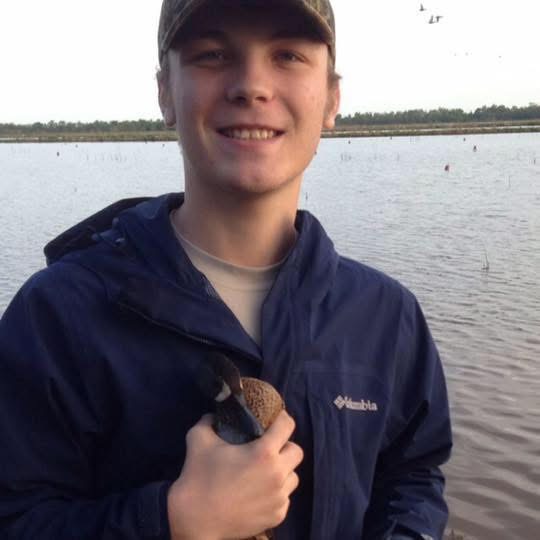
For me, one class stood out above the rest—RNR 4011: Wildlife Management Techniques. This course dives deep into the fundamentals every biologist needs: population dynamics, GPS/GIS applications in ecology, species identification, and much more. I still remember the challenge of distinguishing a juvenile blue-winged teal from an adult, or heading out into the field to capture hummingbirds, deer, and waterfowl as part of hands-on labs. It wasn’t like normal homework; it was fieldwork that put us face-to-face with the wildlife we were studying.
What makes this program truly unique, however, is how it blends science with tradition. Unlike many universities, LSU offers students the chance to experience the world of hunting firsthand. Through hunter education and firearm safety courses, students in RNR 4011 have the chance to harvest their first waterfowl or whitetail deer through donated hunting experiences.
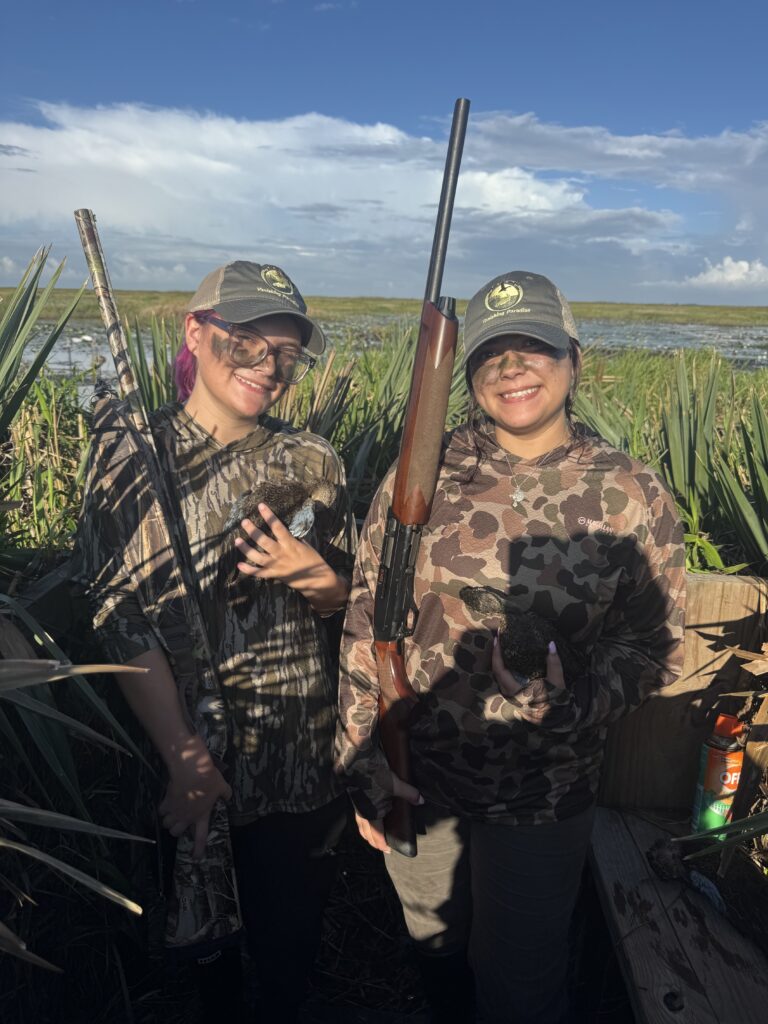
Early teal season in Louisiana is a special time for over 22 students in RNR4011, as it’s their first opportunity to participate in hunting traditions. Three hunting trips were done between Pine Island, Krotz Springs, and Creole, giving those students the chance to see firsthand how critical wildlife management is. While archery and some firearms for whitetail deer seasons are open in some areas of Louisiana, other students will have the chance to harvest whitetail deer later in November.
By seeing wildlife management from both the biologist’s and the hunter’s perspective, students begin to understand the balance between conservation and recreational use. It’s not just about research or recreation—it’s about recognizing how people interact with the natural resources we study and why those connections matter. Those lessons shape not only stronger biologists but also more thoughtful conservationists.