Marsh Madness: Dauphin Island Fishing and Restoration
From the time that I began fishing in the Gulf, the impact of receding wetlands on the ecosystem was apparent. It’s been 25 years since that time, and oil spills, politics, climate change and infrastructure development have unfortunately only added to the equation.
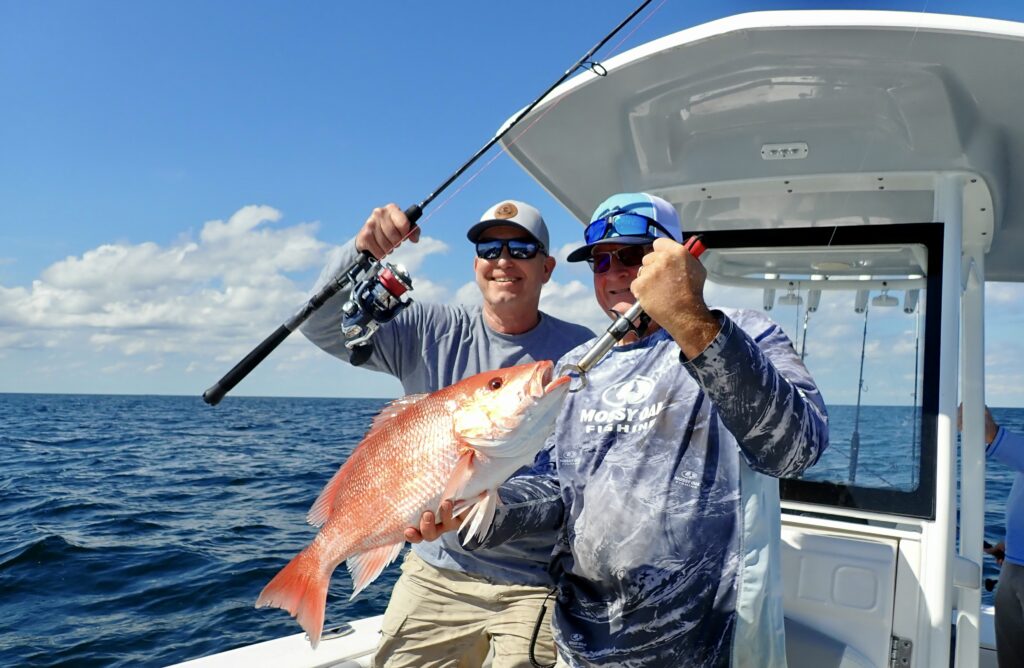
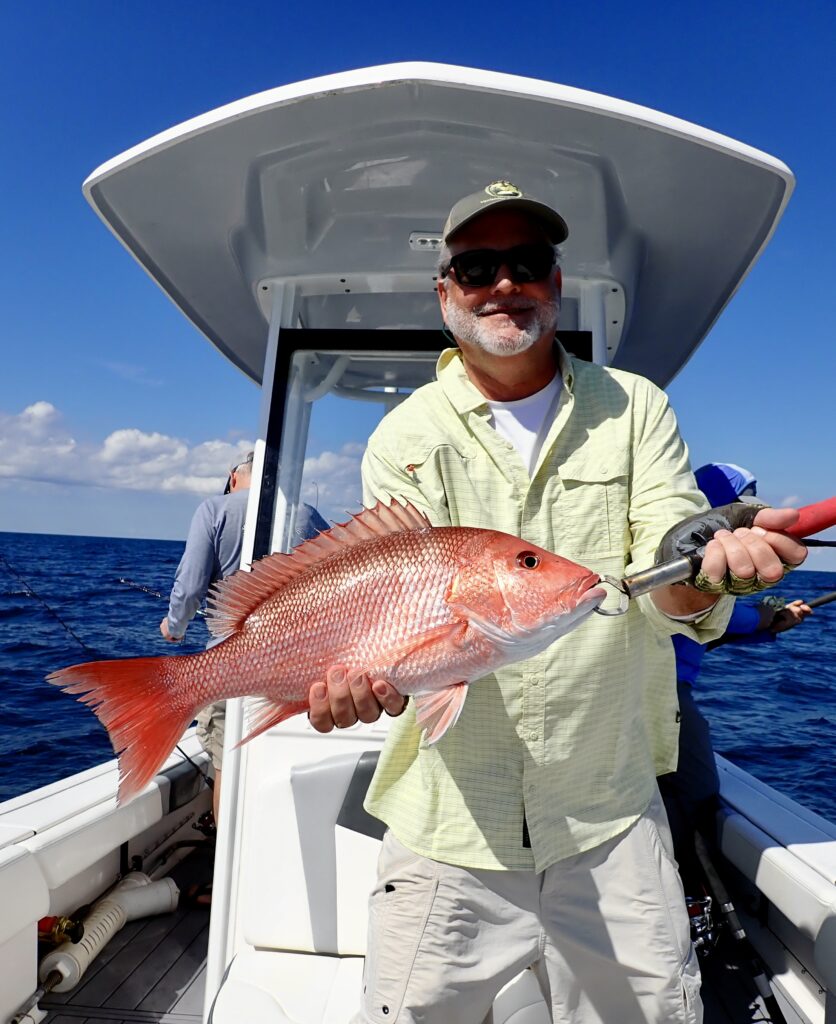
This fall, a group of seasoned angler-advocates gathered to fish, eat and learn about today’s efforts to battle wetlands decline – and celebrate successes – of the Gulf’s inshore environment. Daily limits on red snapper, award-winning cobia and plenty of flounder marked an event full of both satisfaction and concern for the resource.
Our host, Captain Eddie Permenter of Sea Dawg Fishing Charters, had taught me much about fishing out of Venice, LA, when I first began my journey in the Gulf decades ago. This year, he did it again with prime targets and full boxes of fish from our base at Dauphin Island, Alabama.
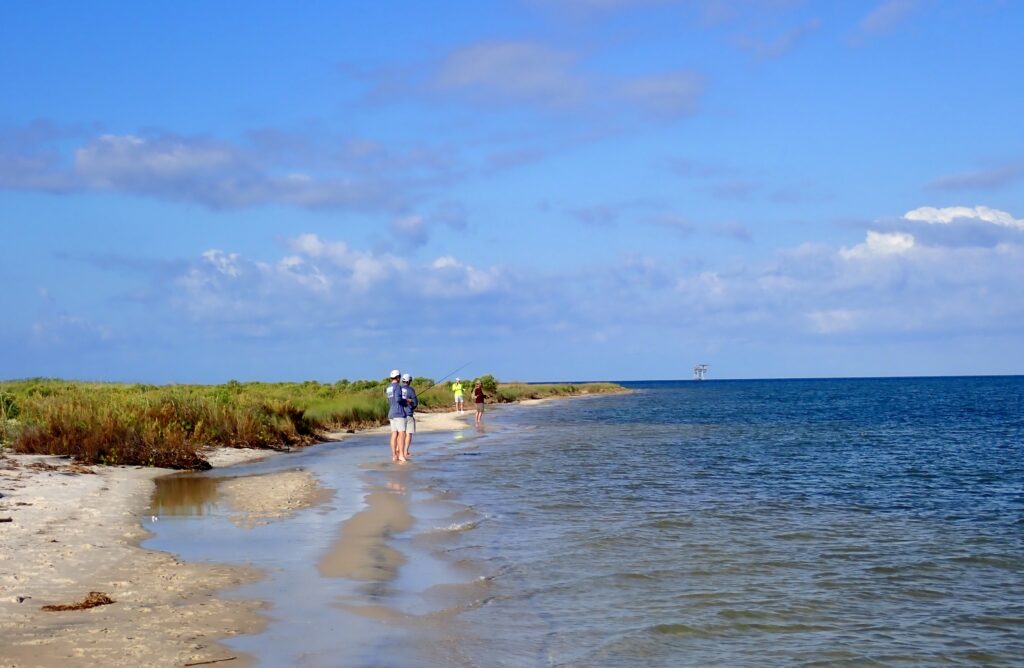

Dauphin Island is currently receiving funding help from the Restore Act, a bill passed largely on the advocacy efforts of sportsmen and Vanishing Paradise, which provided $18 billion in wetlands restoration support based on penalties from the 2010 Deepwater Horizon Oil Spill. The $30 million for Dauphin Island comes from NFWF’s Gulf Environmental Benefit Fund, derived from the Deepwater Horizon settlement.
Dauphin Island Parkway
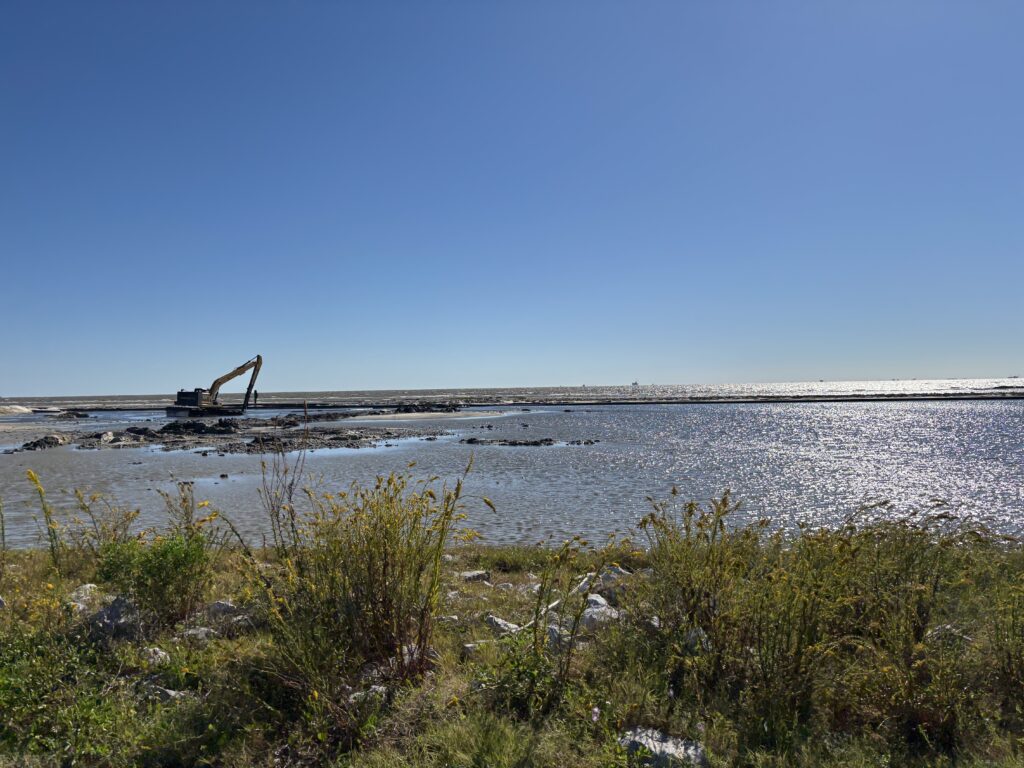
Dauphin Island Parkway connects Dauphin Island and mainland Alabama in southern Mobile County along the western shoreline of Mobile Bay. Erosive forces like heavy wave action and ship wakes have exposed the long fetch across the bay. The shoreline was historically protected by a salt marsh, though much has eroded, leading to the loss of intertidal emergent habitat, salt marsh habitat, oyster reefs and areas of submerged aquatic vegetation.
The original project proposed installing 18,000 feet of segmented breakwater extending from Dauphin Island Bridge to north of Bayfront Park, reducing erosion and stabilizing the shoreline. Other proposed projects included salt marsh restoration by using dredged materials and restoration of oyster reef habitat.
Phase one has been completed, and two more are planned. The project’s current status is outlined in this great Water World Wire article.
We’re continuing our good work in the Gulf, in Alabama and beyond. Vanishing Paradise and the National Wildlife Federation’s larger Gulf team have produced a new strategic plan detailing current work and efforts to advance wetlands restoration in the Gulf, and this 2025-2030 plan can be viewed here.
This strategic plan is both a reflection of where we’ve been and a bold declaration of where we are headed. This plan provides the strategic clarity and direction needed to navigate the challenges ahead and seize the opportunities that will define the next five years.
We are fortunate that so many hunters and anglers care so deeply about this cause. We’ve been at it for decades, and we can wholeheartedly say that we – VP, NWF and our partners – make progress each year. Despite the setbacks, sportsmen and women who care deeply about the habitat where they recreate (and beyond) make a difference when they step up. We are grateful for your efforts, and if you haven’t already, sign up for the Vanishing Paradise newsletter and follow us for new opportunities to lean in. You can make a difference.