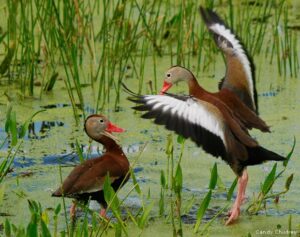
Louisiana sportsmans’ newest hunting opportunities for Fall 2026
When we prioritize our coastal areas, wetlands and coastal forests, everyone wins, especially sportsmen. This is clear when looking at two new seasons on the table for Louisiana in 2026, both of which are possible due to species recovery.
The two major hunting opportunities coming to Louisiana sportsmen and women are a new experimental season for black-bellied whistling ducks this fall, and a proposed recreational alligator hunting season that would expand access to one of the state’s most iconic game species.
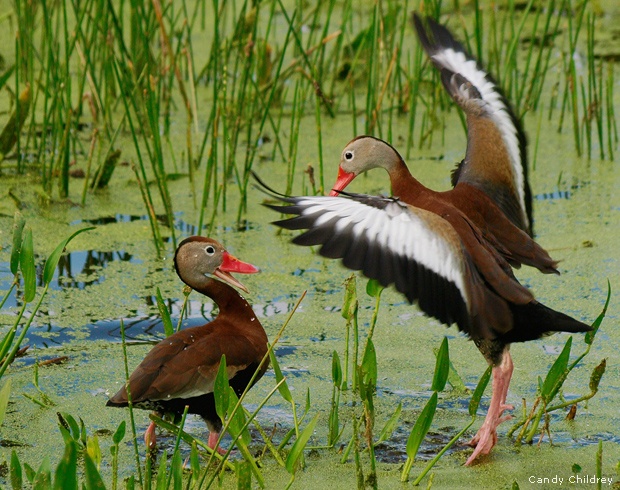
Black-Bellied Whistling Duck Season: Oct. 3 to 11
For the first time, Louisiana will have a dedicated season for black-bellied whistling ducks running statewide from October 3 through October 11, 2026. LDWF created the season in response to a positive change – growing populations across the state and increasing encounters in rice fields, wetlands, and flooded timber.
The timing also fills a gap in the early waterfowl calendar between September teal season and the traditional November duck opener, giving hunters another opportunity to get in the field during early fall.
This season comes with a few unique rules compared to standard duck hunting. First, shooting hours run from sunrise to sunset. Additionally, the daily bag limit is four birds with a possession limit of eight. Hunters must obtain a free LDWF permit and report harvest within 15 days after the season ends. Standard requirements still apply, including HIP registration and a federal duck stamp.
Because this is a single-species season, proper identification will matter, and only black-bellied whistling ducks may be taken during this window.
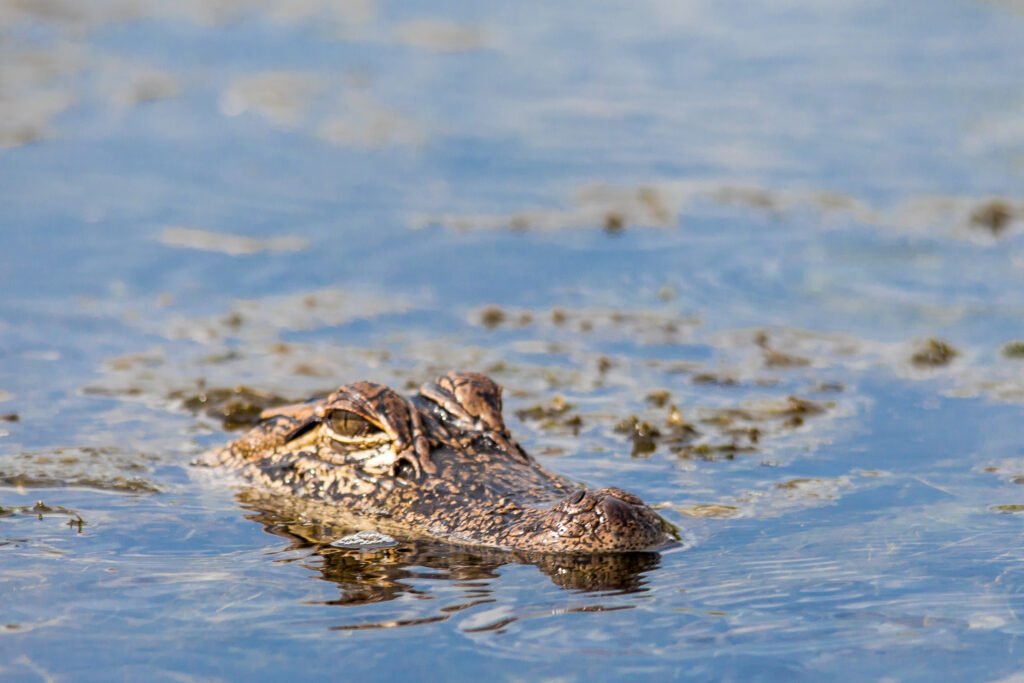
Proposed Recreational Alligator Season: Oct. 1 to 31
In a separate action, the Louisiana Wildlife and Fisheries Commission approved a Notice of Intent for LDWF to establish a recreational alligator hunting season beginning in 2026. The proposal closed the comment period on June 26 with results made public later this summer.
Listed as endangered only 40 years ago, prioritizing habitat restoration and coastal protection helped to make this proposal possible. If adopted, the season would run October 1 through October 31 and be structured as a lottery-based opportunity for Louisiana residents. A total of 5,000 hunters would be selected statewide, with each receiving two hide tags. Allocation would be divided across eight management zones to distribute opportunity throughout the state.
The proposal includes strict regulations. Harvest would be limited to hook and line or snatch hook methods with landowner permission, and recreational alligators could not be sold or combined with commercial harvest. Tags would need to be validated within 72 hours through LDWF systems, and licenses would be set at $25 for residents and $150 for non-residents.
This would be a major shift in access while still operating under the same population monitoring and quota systems that guide Louisiana’s commercial alligator program.
What This Means for Hunters
These two opportunities reflect a consistent approach in Louisiana’s wildlife management. When populations are strong and data supports it, LDWF has shown a willingness to expand hunting access while maintaining strict structure and accountability.
The state’s reopening of the black bear hunt serves as an example. After being closed for more than 35 years, it returned under tightly controlled permits, quotas, and reporting requirements, and has remained in place as populations have supported limited harvest.
That same success makes these new moves possible. The whistling duck season adds a new early-season waterfowl opportunity tied to a growing species, while the proposed alligator hunt would open a new pathway for recreational access under a lottery system designed to manage pressure.
For hunters, that means more time in the field, more variety across the season calendar, and more structured access to species that were previously limited or unavailable. And it sends a message: restoring and protecting our coastal zones means more opportunity in Sportsman’s Paradise.