Chandeleur Island: A National Treasure Worth Saving
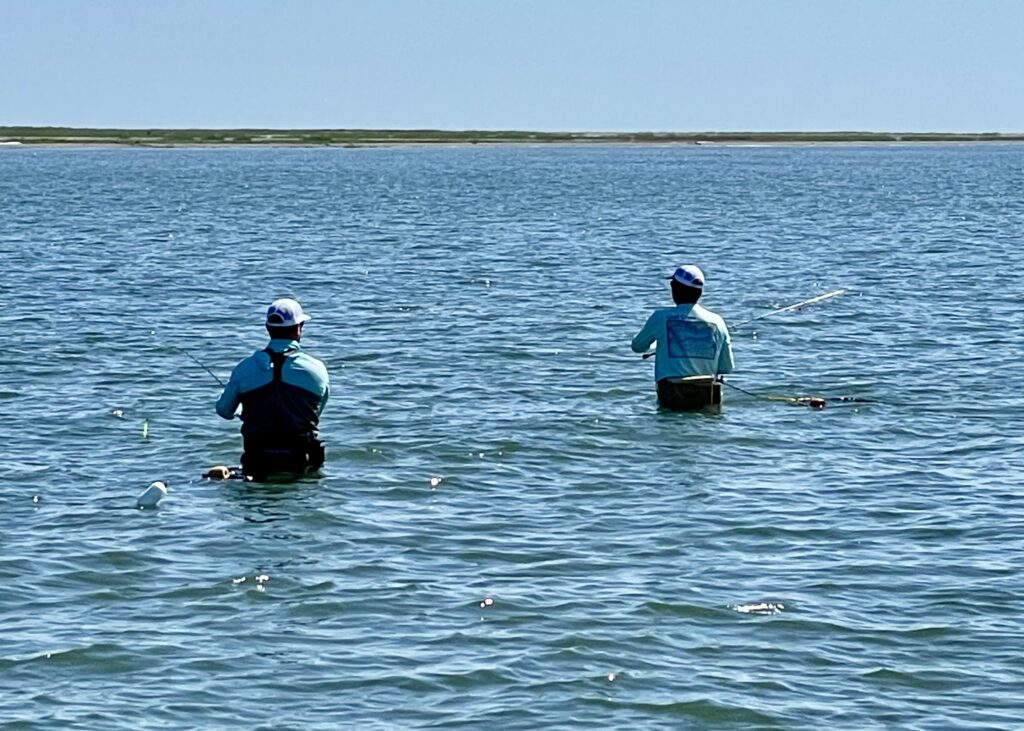
I can still vividly remember my first trip to Chandeleur. I left Mississippi with my parents and my sister to spend the night at Horn Island with plans to fish the “shallow field” the next day. As we made our way out through Dog Keys Pass the next morning and headed south, the wind kicked up out of the east, forcing us to abort the rig trip and duck in behind the north end of Chandeleur, where we were able to wade fish.
I was only seven or eight at the time and had never been wade fishing, so it felt like quite the adventure. We waded out onto the north spit with the waves crashing in from the east and the current ripping across the bar so hard that I could hardly stand up. We got started throwing old-school yellow and white shad rigs to the west and letting the current sweep them along. It didn’t take long for me to hook my first three-pound trout. Then another. Then a redfish. Then another trout. It was the greatest trip of my life at that point, standing within sight of the Chandeleur Lighthouse, reeling in monster trout and reds. We didn’t have camera phones back then, but those images are burned deep into my memory.

It wasn’t until I turned 18 and had my own boat that I really started to explore Chandeleur, and I quickly became addicted. It was a 22-mile run from Gulfport to the northern tip, with another 40 miles of island to explore to the south to Grand Gautier. We would start at Chandeleur Lighthouse and fish on the surf side for big trout and reds, or move around to the west side and drift over acres of grass beds for trout, redfish and pompano. The water was often crystal clear, and you could see all of the sea life teeming in lush grass beds. Spots like Schooner Harbor, Redfish Point, Monkey Bayou, Curlew, North Island and Freemason lured us back to the island as often as we could get away. Those were great days, and the island was a magical place.
Fast forward to today, and the Chandeleur Islands have been battered and bruised by hurricanes and oil spills. The iconic Chandeleur Lighthouse is no longer on the north end of the island. Neither are several miles of the point that the Gulf has swallowed up. Spots like Monkey Bayou and North Island have eroded, and the southern end of the island is quickly retreating to the north. Large cuts in the island, such as Hollywood Cut (or Katrina Cut), have further accelerated land loss. Some estimate that as much as 82 percent of the island was lost following Hurricanes Georges and Katrina and the Deepwater Horizon oil spill.
It’s easy to say that it’s not worth battling Mother Nature to save this dying island off the coast, but I disagree. Chandeleur is a national treasure – literally. The Chandeleur and Breton Islands make up the Breton National Wildlife Refuge, the second-oldest National Wildlife Refuge in the country, and are home to seven species of global importance, including the Piping Plover, Red Knot, Reddish Egret, Snowy Plover, Kemp’s Ridley Sea Turtle, Loggerhead Sea Turtle, and Gulf Sturgeon. The islands are home to more than 170 species of birds and serve as important nesting grounds in the spring and foraging habitats in the winter.
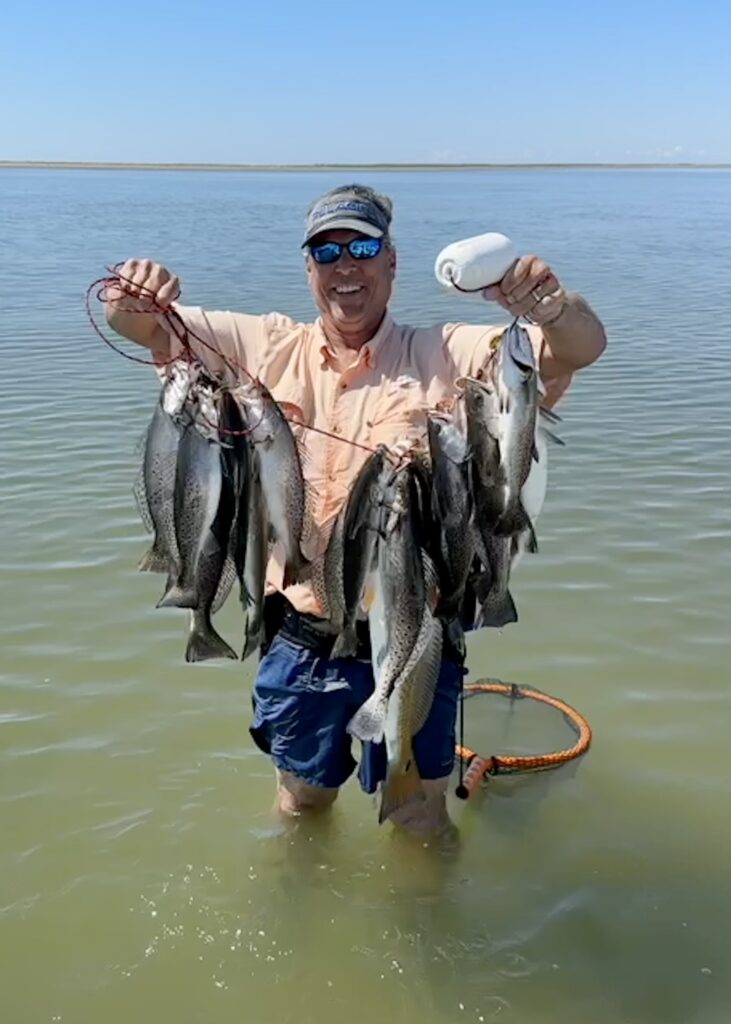

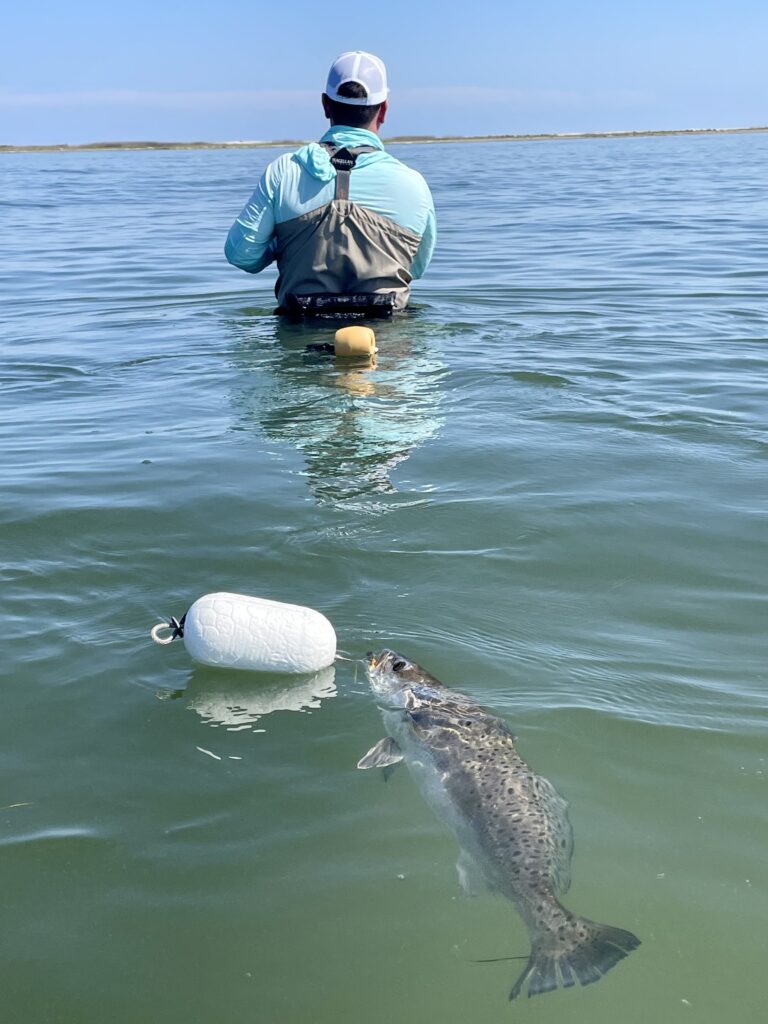
Fishermen know that the once-lush grass beds at Chandeleur are home to invertebrates and small fish, making it fantastic fishing habitat for trout, redfish, and tarpon. The grass beds also hold a large variety of seagrasses, including shoal grass, star grass, widgeon grass, manatee grass and turtle grass, making them the largest, most botanically diverse collections of seagrasses in the northern Gulf.
The islands also provide storm protection as the first line of defense against hurricanes in the Gulf. Fortunately, the Louisiana Coastal Restoration and Protection Authority(CPRA) is proposing a significant $360 million project to restore approximately 13 miles of the island. If fully funded, the project will put 12 million cubic yards of sediment back on the island, build dunes, restore marshes and mangroves, establish sand reservoirs that will allow the island to heal itself after future storms and expand and harden New Harbor Island (the largest brown pelican rookery east of the Mississippi) by nearly 130 acres.
The project is focused on getting the most bang for the buck to restore the island and improve its resiliency. The Louisiana Trustee Implementation Group (TIG) is proposing to provide $247 million of Deepwater Horizon Oil Spill settlement funding for Chandeleur restoration, but that money comes with strings attached – it must be used for birds, turtles and sea grasses that were impacted by the spill. While many fishermen would also like to see the significant cuts in the southern end of the island closed, there simply isn’t enough funding to do everything. The good news? These restoration efforts on the north end should revive many of the grass beds and make the island more resilient for many years to come.
The Chandeleur Islands are a national treasure, and I am so glad that CPRA is undertaking the fight to save them. Learn more about the project here.