Celebrating 25 years of Progress Restoring America’s Everglades

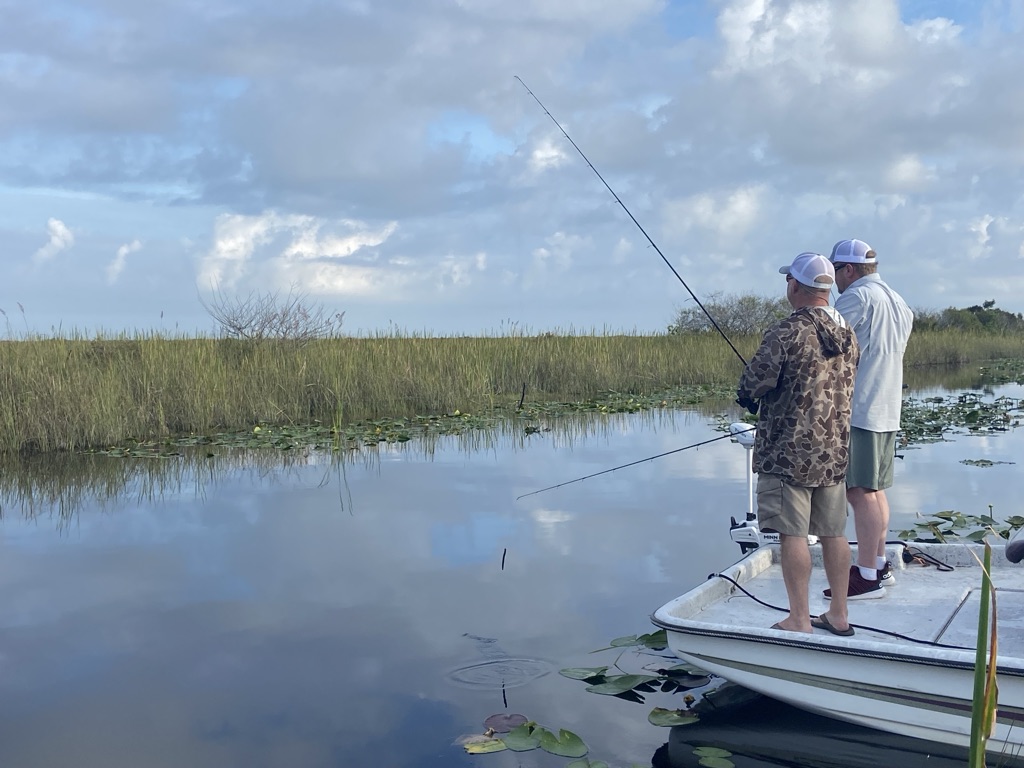
The Everglades offer unique habitats and outdoor opportunities that often cannot be found anywhere else. From hunting for Osceola turkeys to pursuing world-class bass fishing in Lake Okeechobee to battling with tarpon and snook in Florida Bay, there is no place on earth quite like it for sportsmen.
The 25th Anniversary of the Comprehensive Everglades Restoration Plan (CERP) provides an opportunity to reflect on the progress that has been achieved and what is still required to restore America’s Everglades.
The Everglades are a particularly egregious example of the all too familiar story where man tries to control nature and water without a complete understanding of the adverse impacts of his actions.
The Everglades, often referred to as “The River of Grass”, once occupied nearly a third of the Florida peninsula, providing storm protection and fresh water for people and diverse wildlife habitats, including sawgrass marshes, mangrove forests, cypress swamps and pine rocklands. Efforts to convert these critical wetland ecosystems to dry land for agriculture and development began as early as the mid-1800s. Today’s footprint of the Everglades has shrunk to less than half of its original size, and its ability to effectively function as a healthy ecosystem has been compromised by the changes in the quantity, quality and timing of water flowing to the south through the system.
These limitations on water flows to the south have altered salinity regimes in Florida Bay, at times causing hyper salinity (making the water saltier than the sea-water) and resulting in massive sea grass die-offs and alterations to the natural habitat. Similarly, forcing nutrient-laden water out to the east and west coasts has caused significant issues, including harmful algal blooms and fish kills that inflict damage not only on the environment but also on Florida’s tourism economy and way of life that depend on those resources.

However, much progress has been made, thanks to 25-years of guidance from the comprehensive restoration plan. The CERP created a long-range plan to restore a more natural flow of water throughout the system. To do that, the plan outlined storage projects to hold adequate water to ensure a sustainable water supply and flood control, as well as treatment areas to clean the water before sending it south into the ecosystem. Barriers preventing water from moving south, like the Tamiami Trail, are being removed and the storage areas will allow for water to move during the times of the year when it is needed.
Progress on the CERP was initially slow as projects were approved but not adequately funded between 2000 and 2010. Thankfully, determined advocacy by many groups resulted in steady and significant funding that has boosted progress over the last decade. Since 2019, more than 80 projects have come online and in July 2025, Florida and the Corps of Engineers entered into a landmark agreement to accelerate Everglades restoration and speed up the completion of key projects like the Everglades Agricultural Area (EAA) Reservoir by 5 years, with completion now scheduled for 2029.
There is real, visible progress being made in restoring America’s Everglades, and these successes are worth celebrating. But the job isn’t over. We need to remain focused on continuing to provide the funding and support to keep these projects moving forward. America’s Everglades are a national treasure worth fighting for – with the potential to be the greatest restoration story ever told.