Bringing Back Sportsman’s Paradise: Restoration Projects that Support Wildlife and Fisheries
Since the 1930s, Louisiana’s coastline has undergone severe decline, losing approximately 2,000 square miles of land. This loss has erased vital marshes and wetlands that once supported a rich variety of wildlife and fisheries. What remains? Expanding open water, advancing saltwater intrusion, and disappearing habitats, all of which threaten the very foundation of our Sportsman’s Paradise and the coastal traditions of hunting and fishing that define it. The Coastal Protection and Restoration Authority (CPRA) and the Louisiana Department of Wildlife and Fisheries (LDWF) are working to design innovative projects to rebuild land and sustain these ecosystems, and organizations like ours and our partners work on the community, policy and online side to advocate for and drive support for these projects.
From barrier islands to oyster shells, every one of these projects is important. And more importantly, every project works together to restore and protect our coast for sportsmen and wildlife alike. This complex issue requires more than a one-size-fits-all solution.
Learn about how each project impacts wildlife and fisheries and the sportsmen that depend on them:
Barrier Island & Headland Restoration
Barrier islands act as Louisiana’s first line of defense against storms. Since 2008, the State of Louisiana has implemented over 17 projects across Terrebonne Bay, Barataria Bay, and the Chandeleur Islands. Restoring dunes, beaches, and headlands strengthens these natural buffers while protecting essential fish nurseries and migratory bird nesting areas.

Diversions
Sediment and freshwater diversions channel freshwater into wetlands, rebuilding land and maintaining a healthy mix of fresh and saltwater, or brackish, habitats. This balance supports species diversity, including redfish, speckled trout, bass and waterfowl populations important to sportsmen. Completed diversions include Caernarvon in St. Bernard and Davis Pond in Luling. The River Reconnection to Maurepas Swamp Project, currently under construction, will benefit approximately 40,000 acres of forested wetlands directly for public use.

Hydrologic Restoration
Restoring natural water flow helps prevent saltwater intrusion and revitalizes marsh vegetation. The Houma Navigational Canal (HNC) works to combat saltwater intrusion and protects freshwater marshes. Healthy marshes provide food and shelter for fish and waterfowl, supporting both recreational fishing and hunting opportunities.
Living Shorelines
The Coalition to Restore Coastal Louisiana (CRCL) actively collects and recycles oyster shells from many restaurants in New Orleans and Baton Rouge. These constructed oyster reefs not only reduce wave energy but also create thriving habitats for fish, crabs, and invertebrates. A whole food web can emerge from these living shorelines and provide productive fishing opportunities along the coast while protecting the banks.


Marsh & Ridge Creation
Dredging sediment to create new marshes or rebuild natural ridges enhances wildlife habitat and provides storm protection. Newly built wetlands serve as nurseries for fish and crustaceans, while ridges provide elevated areas for birds and terrestrial wildlife. For example, the Lake Borgne Marsh Creation Project, which is actively ongoing, will provide flood relief for St. Bernard Parish, as well as a natural habitat for fish and waterfowl.
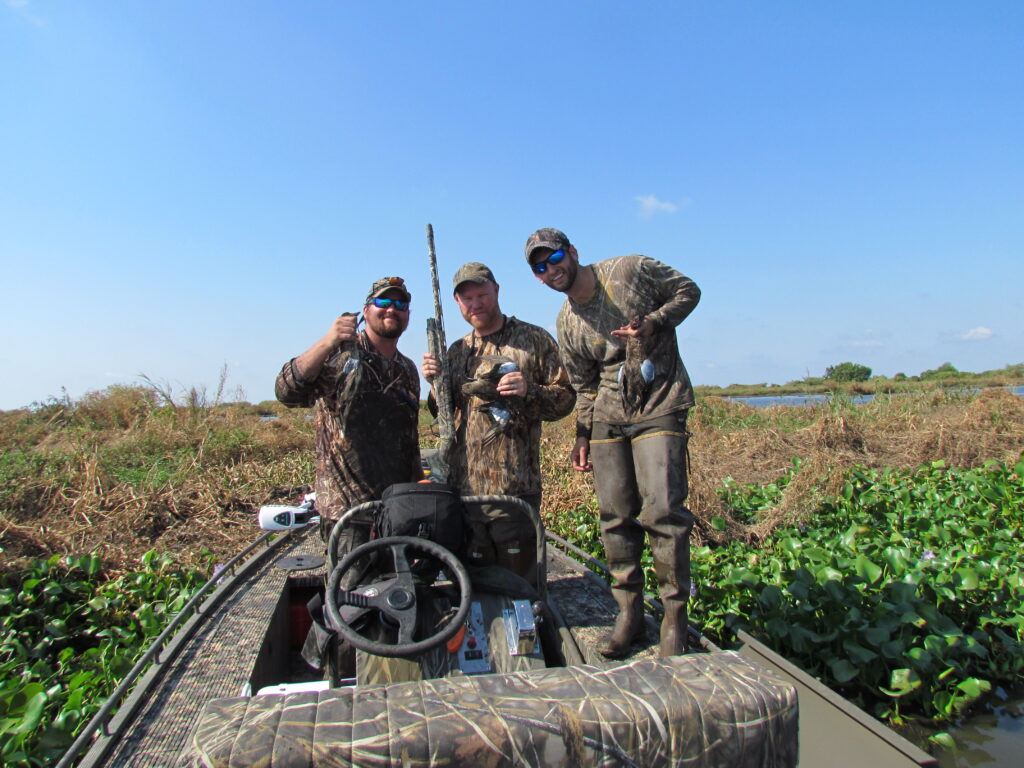
Shoreline Protection & Bank Stabilization
Rock breakwaters slow erosion and create structure that attracts redfish and speckled trout, providing prime fishing spots for anglers. Bank stabilization strengthens marsh edges, protects spawning grounds, and improves access for shoreline fishing. These projects keep Louisiana’s waters productive for sportsmen, wildlife, and fisheries.
A Future for Sportsmen Paradise
Each project type works toward a common goal: restoring Louisiana’s natural defenses while sustaining the wildlife and fisheries that sportsmen treasure. By combining science, engineering, and community input, organizations like CPRA and LDWF, as well as community partners, individual supporters and lawmakers work together to protect habitats, strengthen coastal restoration efforts, and support thriving fish and game populations. This collaboration helps ensure that hunting, fishing, and outdoor traditions remain a vibrant part of Louisiana’s future for generations to come.
Want to keep up with VP-supported projects? Sign up for our newsletter!
