16 Years After the BP Disaster: Successes on Louisiana’s Coast and Beyond
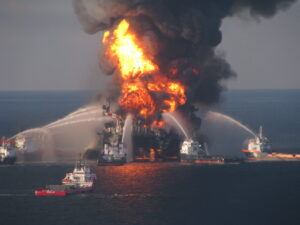
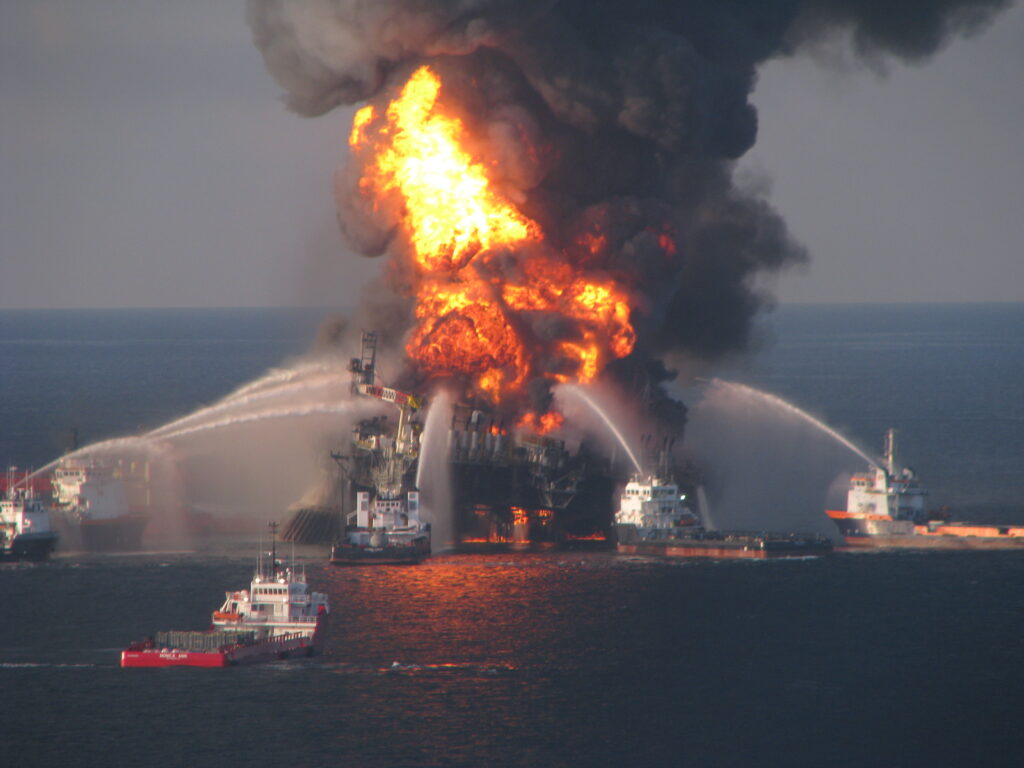
It’s been 16 years since the Deepwater Horizon oil rig exploded in the Gulf, claiming 11 lives and severely impacting our coastline, wildlife, and fisheries.
Much of the conversation about the impacts of the oil spill focuses on dolphins and sea turtles, but fewer people know that the oil killed countless waterfowl, and the damage was generational: many birds who survived suffered from reduced reproduction or were unable to reproduce.
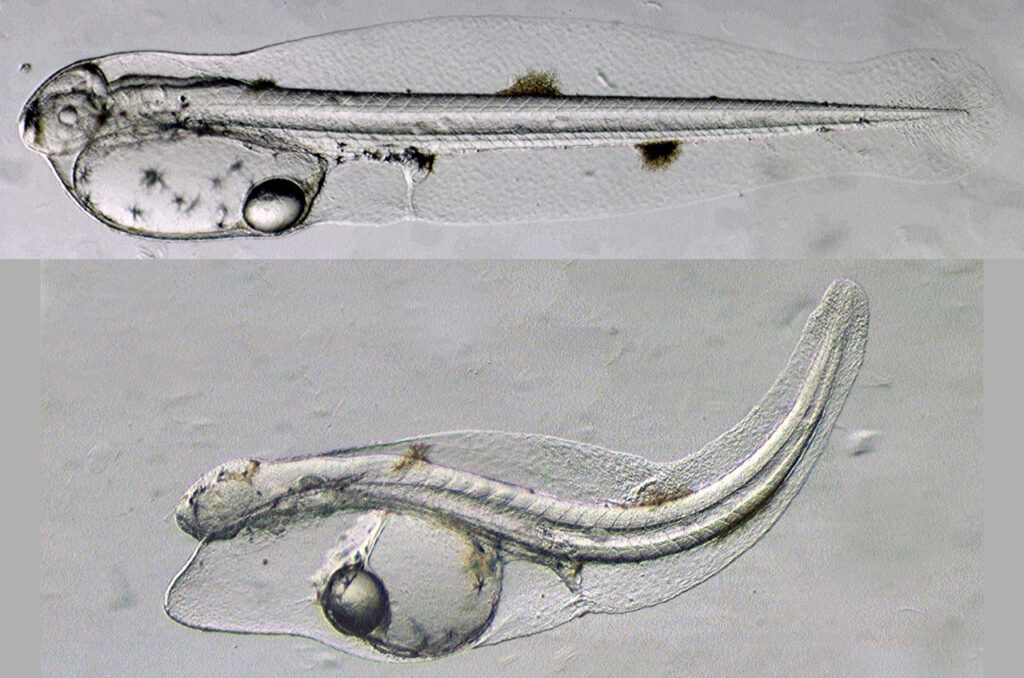
The oil was particularly harmful to fish larvae, and studies estimate the spill killed between two and five million larval fish. Important angling areas, like the Chandeleur Islands, a favorite of Louisiana and Mississippi sportsmen, were heavily oiled.
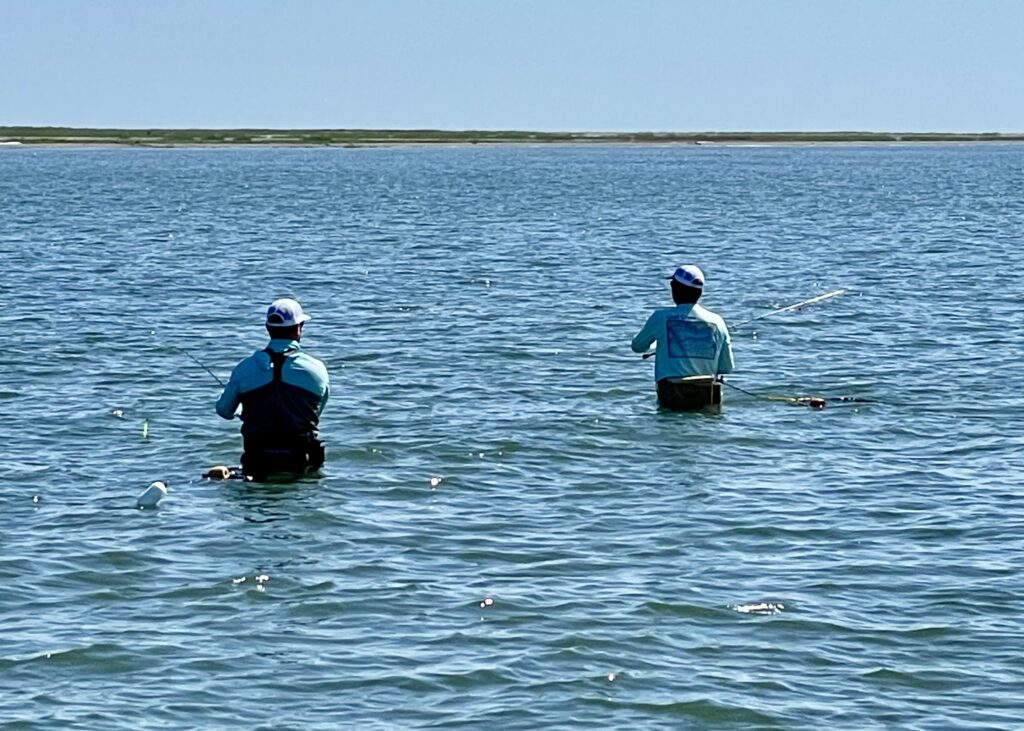
But there are many coastal projects underway that seek to rectify the spill’s damage, strengthen our coastal wetlands and barrier islands and restore habitat for these important species that make this place “Sportsman’s Paradise.”
Louisiana’s latest Annual Plan marked a major restoration milestone for the Chandeleurs in particular: over $380 million in oil spill settlement funds was allocated to restoring 13 miles of the barrier chain. The islands are home to some of the largest seagrass beds in the northern Gulf of Mexico and were recently found to be home to Kemp’s ridley sea turtles, one of the world’s most endangered sea turtles.
Moving west along the coast, you’ll find the Barataria Basin. Already facing some of the highest rates of land loss in the world, the spill exacerbated this loss, killing vital plant cover. The recently completed Upper Barataria Marsh Creation project seeks to redeem some of those losses and create vital protection for species like brown shrimp, crabs and the many game fish that depend on these wetlands and the healthy habitat they provide.
The project created 1,170 acres of new land, 89 acres of natural water features and strategic containment gaps, which allow water (and fish) to move naturally and freely across the new wetland area. By using adaptive management and ongoing monitoring, data from the project will help to better inform the development of future projects that maximize benefits to wildlife and sportsmen. One year in, and the new marsh is a hotbed of wildlife – crab, red drum and brown and white shrimp have been observed across the project.
And down at the southern end of the bay, before brackish water gives way to the open Gulf, a new terracing project will work to protect wetlands, wildlife and communities in south Lafourche Parish. The project, led by Ducks Unlimited in partnership with NWF, creates tens of thousands of feet of earthen terraces. The terraces are constructed to slow wave action and naturally catch sediment, building land over time. The terraces will benefit a wide array of waterfowl, including migrating ducks.
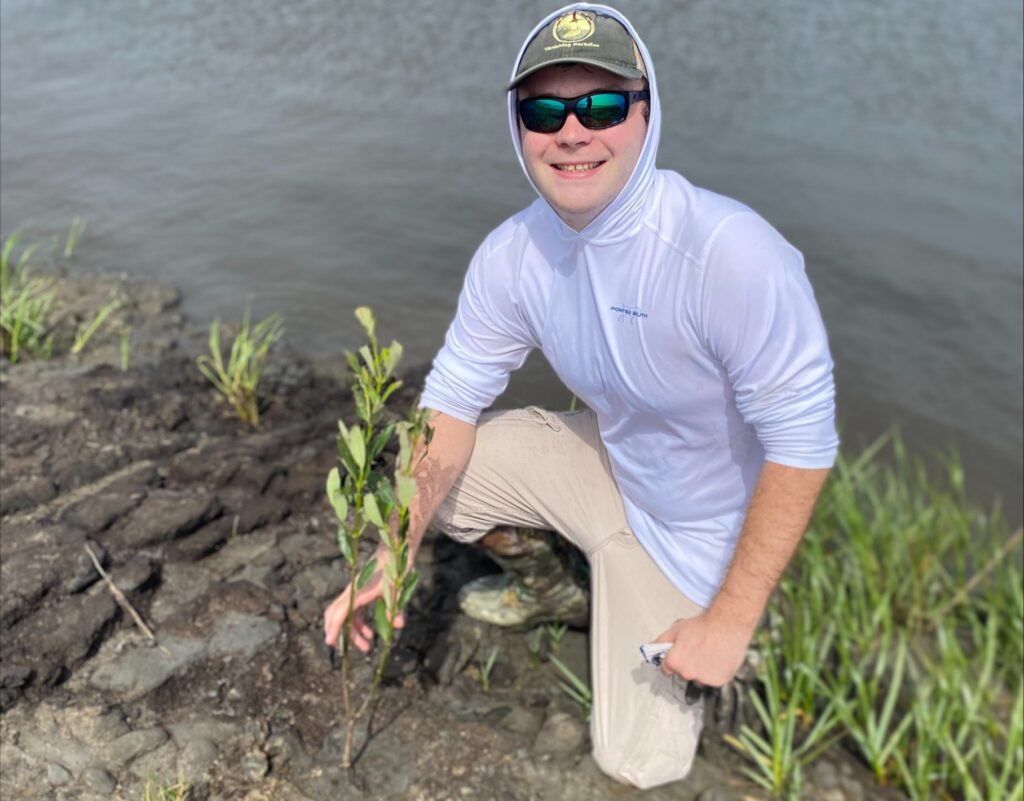
But over a decade later, there’s still lots of work to be done – and wildlife are still in harm’s way.
Just over a month ago, the Louisiana Offshore Oil Port (LOOP), located in Port Fourchon, not far from the terracing project, spilled about 750 barrels of oil into nearby wetlands. While the spill, which occurred during spawning season, has mostly been contained, fishermen and oystermen have expressed concern about their catches.
16 years after the worst oil spill we’ve ever seen, the fish and waterfowl that shape our culture and way of life – some whose numbers are still rebounding – should be prioritized and protected.
One thing is for sure: we plan to be here for the next 16 years and beyond, working with sportsmen to make their voices heard and to ensure the next generation can enjoy this special place. Together, we can protect Sportsman’s Paradise.