Conservation Creates Opportunity: The Comeback of the Louisiana Black Bear
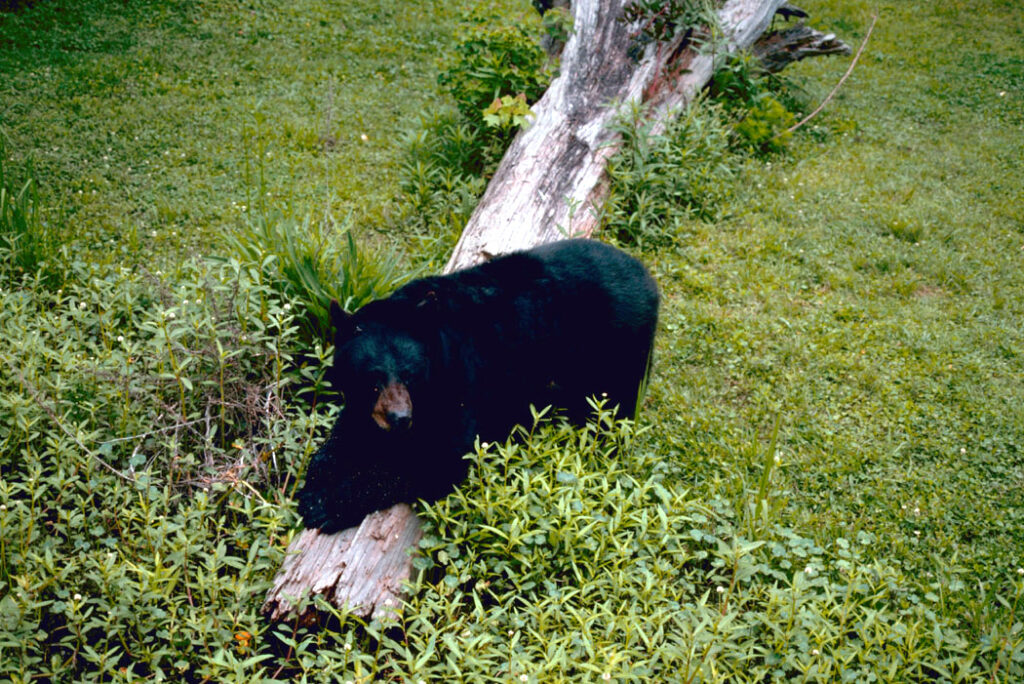
It’s not a species most would picture when they think of Louisiana’s “Sportsman’s Paradise,” but the rebound of Louisiana black bear numbers in recent years has ushered in a conservation win – and the opportunity for a small group to hunt these impressive animals.
The second Louisiana black bear season concluded in December 2025, highlighting the success of efforts to restore a species once pushed to the brink. The bear has rebounded thanks to decades of habitat restoration, science-based management and strong public support.
A thriving black bear population that once spanned four states—East Texas, southern Arkansas, southern Mississippi, and Louisiana—declined sharply in the early 1900s due to overharvest and widespread habitat loss.
But in December 2024, Louisiana was able to hold its first modern black bear season in more than 30 years. Under a highly controlled lottery system, just 10 bears were harvested statewide. Building on scientific data, the Louisiana Department of Wildlife and Fisheries carefully expanded the hunting opportunity in 2025, issuing 26 permits and harvesting 16 bears during the December season. These limited numbers reflect a cautious, conservation-first approach grounded in population estimates and available habitat.
But the true story of the black bear’s recovery starts long before the hunt. Large-scale habitat restoration across Louisiana’s coastal and bottomland forests has been essential to rebuilding bear populations. Restored wetlands, forest corridors, and protected landscapes provide bears with food, cover, and the space they need to thrive. These same habitats also support deer, turkeys, waterfowl, and countless other species that define Louisiana’s Sportsman’s Paradise.
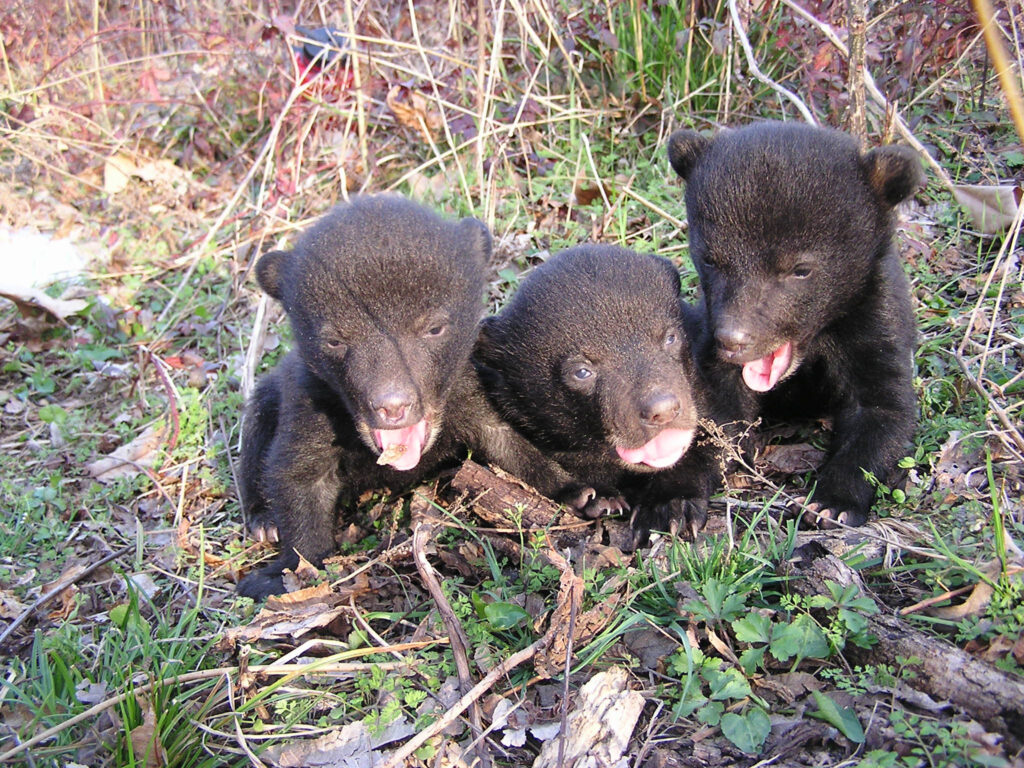
Habitat restoration creates access and opportunity for sportsmen while maintaining balance between wildlife populations and the landscapes that support them. Regulated seasons help manage growing bear populations responsibly while reinforcing the value of long-term conservation investments.
The 2024 and 2025 black bear seasons show what is possible when habitat comes first. By restoring Louisiana’s vanishing landscapes, we can bring back species once thought lost and ensure future generations inherit a coast and countryside rich in wildlife, access, and opportunity.
